Educational enrolment only. The fee covers access to learning materials and exercises. It is not a fee for consulting, coaching, or a credential that employers are required to recognise. Completing a programme does not guarantee employment or workplace outcomes.

Programmes may be taken in any order. Most learners start with Digital workplace tools, then move to Remote collaboration or Workflow organisation depending on the kind of work they do. Working with digital information can be taken independently if tables and reports are the immediate need. Typical session length is noted on each programme; there is no live timetable.

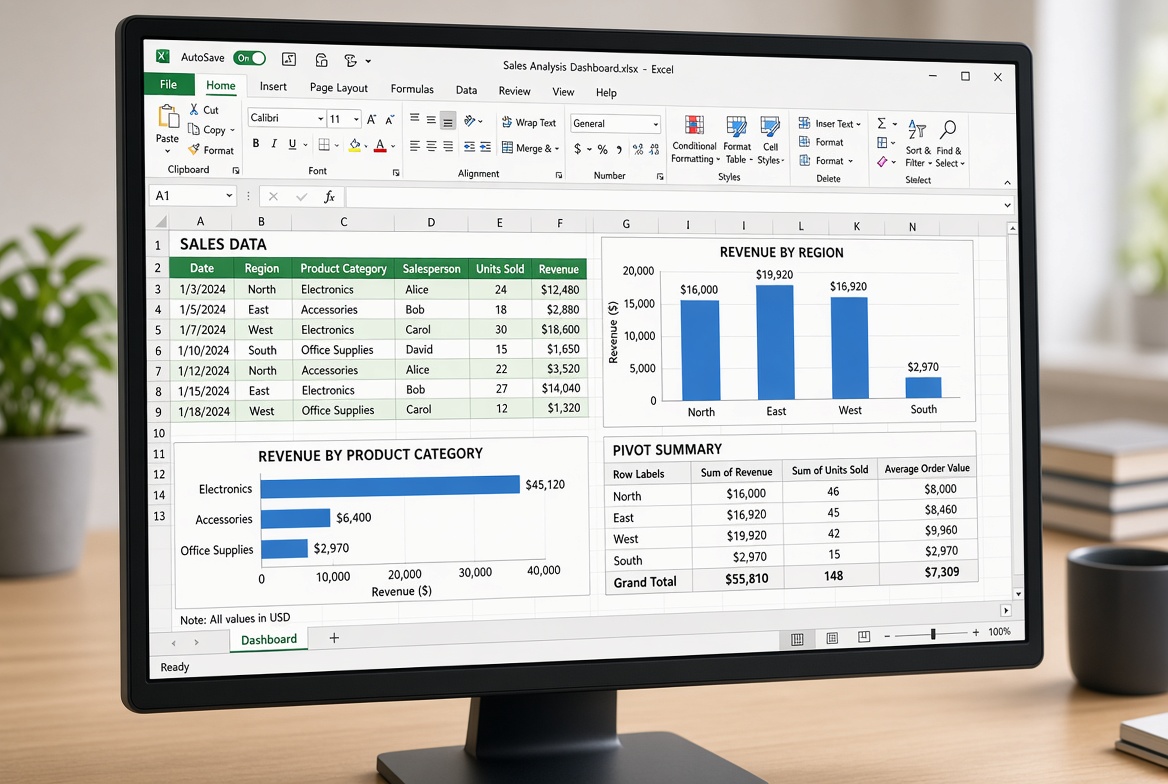
Laptop showing workplace dashboard with task board and calendar on a wooden desk

6–8 weeks, self-paced · Sessions 45–70 min

Enrolment: CAD 350

01 — Digital workplace tools and practices

A structured introduction to the tools and habits that shape everyday professional work in Canadian organisations: shared drives, calendars, document versions, email hygiene, and the logic of a digital workspace.

What is covered

How common workplace platforms are organised (files, folders, permissions, version history). Naming conventions and shared-document etiquette that keep teams oriented. Calendar, task, and inbox practices that reduce friction rather than add tools. Guided exercises that ask you to audit a messy workspace and rebuild a simple, documented structure.

How practice works

Each unit ends with a workplace scenario: a shared folder that has drifted, a calendar that no one trusts, or a document with competing versions. You diagnose the problem against a checklist, then reconstruct a cleaner arrangement and write a short note explaining the change.


Enquire about this programme

Remote meeting visible on a laptop in a quiet home office with notepad open

5–7 weeks, self-paced · Sessions 50–75 min

Enrolment: CAD 350

02 — Remote collaboration methods

Practical methods for working with colleagues who are not in the same room: meeting design, written updates, shared decisions, and the difference between synchronous and asynchronous work.

What is covered

When a meeting is warranted and when a written note is the better instrument. Agendas, decision logs, and follow-up notes as working documents, not theatre. Shared whiteboards, comments, and threaded discussion used with restraint. Scenarios drawn from distributed Canadian teams (time zones, hybrid weeks, handovers).

How practice works

You work through recorded meeting transcripts and incomplete decision logs, then rewrite them so a colleague who missed the conversation can act. A later exercise asks you to convert a rambling chat thread into a short, attributable summary.

Enquire about this programme

Learner at a home desk reviewing process notes and a structured task list on a laptop

6 weeks, self-paced · Sessions 40–65 min

Enrolment: CAD 350

03 — Productivity systems and workflow organisation

How work actually moves: intake, priorities, handoffs, and closing the loop. The programme treats productivity as a system you can inspect, not a personality trait.

What is covered

Capturing incoming work without losing it in inboxes or chat. Simple priority methods that can be explained to a colleague. Status language that means the same thing to everyone on a team. Building a personal weekly review that matches a team’s actual rhythm.

How practice works

Exercises use a fictional team’s backlog, inbox, and calendar. You map the flow, identify where work stalls, and propose a lighter process. The aim is a system you can keep, not an elaborate board you abandon.

Enquire about this programme

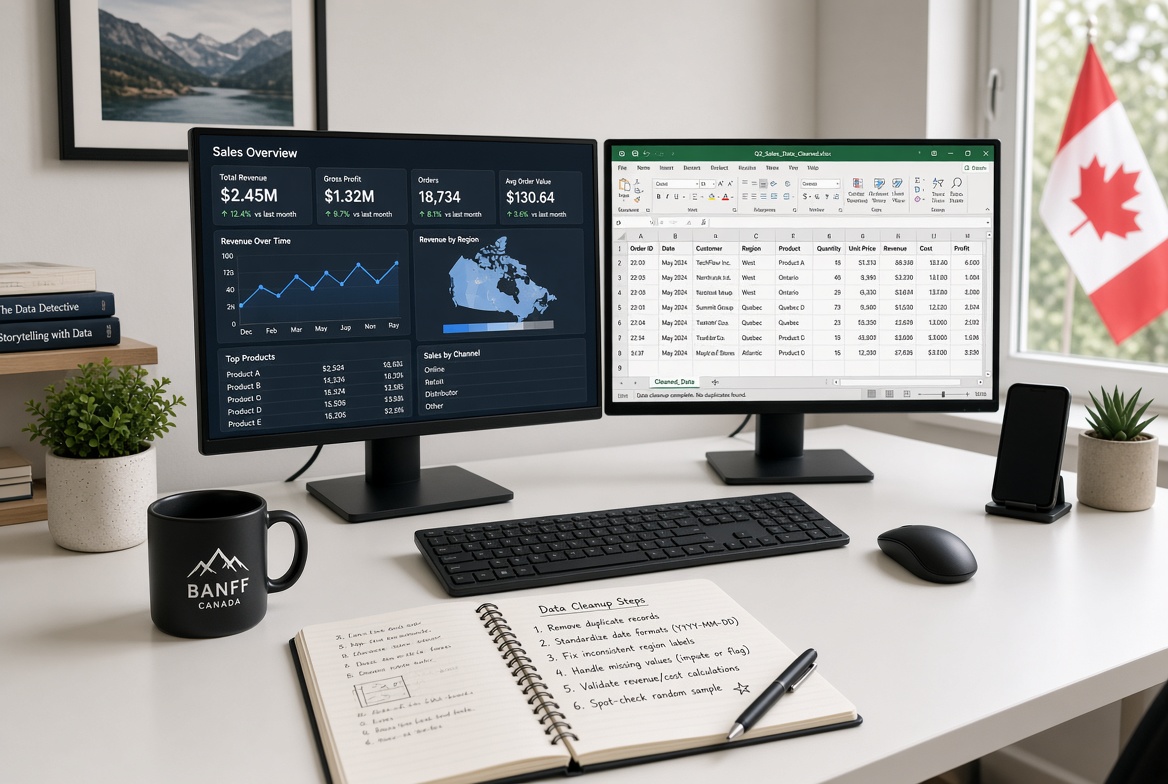
Spreadsheet open on a laptop with printed tables and a pencil for checking figures

6–8 weeks, self-paced · Sessions 50–75 min

Enrolment: CAD 350

04 — Working with digital information

Foundational skill in reading, organising, and presenting numbers and documents that appear in ordinary professional work — spreadsheets, simple tables, shared reports, and the questions they can and cannot answer.

What is covered

Tables, filters, and basic calculations as tools for sense-making. How to check a figure, a date, or a total before it is shared. Charts and summaries: what they show, what they hide. Plain-language notes that accompany a table so others can use it.

How practice works

You receive imperfect datasets (duplicate rows, mixed date formats, unexplained totals) and clean them far enough to answer a specific workplace question. A diagnostic sheet asks you to mark what is reliable, what is estimated, and what is missing.

Enquire about this programme

Professional reviewing digital documents and figures on screen with handwritten notes

4–6 weeks, self-paced · Sessions 40–60 min

Enrolment: CAD 350

05 — Everyday professional digital tasks

A practice path for the small, high-frequency tasks that occupy much of a working week: preparing a briefing note, assembling a file pack, tracking a request, and closing work so others can find it later.

What is covered

Briefing notes, status updates, and request tickets as structured writing. File packs: what to include, how to name, how to hand over. Tracking requests without a specialised project system. Closing a piece of work so the next person can continue it.

How practice works

Each scenario is a complete mini-job: a colleague asks for a one-page brief, a folder of source files, and a short status line. You produce all three against a quality checklist used throughout the programme.

Enquire about this programme

Access and price

Each programme is CAD 350. The amount is the same for every path and is stated here so that cost is not a surprise later. Enrolment is handled by correspondence; there is no automated checkout on this site. After enrolment you receive access to the programme materials for repeated self-paced use. Refunds, if any, are described in the Terms of Use.

If you are unsure which programme matches your current work, write to us with a short description of the tasks you want to practise. We can point you to the relevant path. We will not recommend software products or assess your employer’s systems.